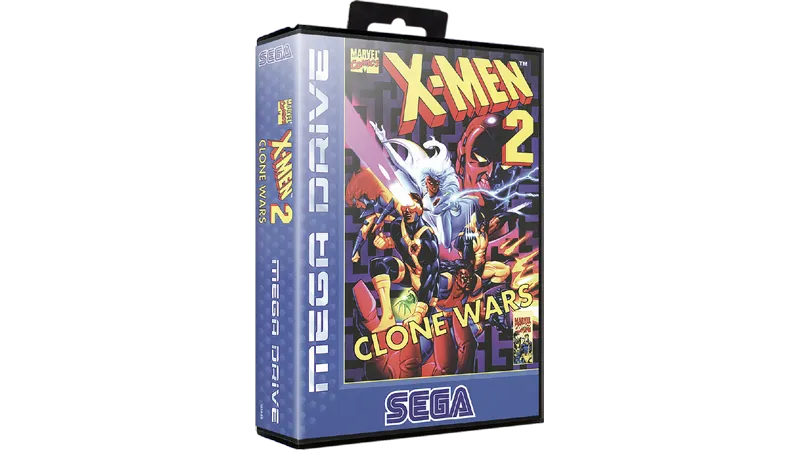

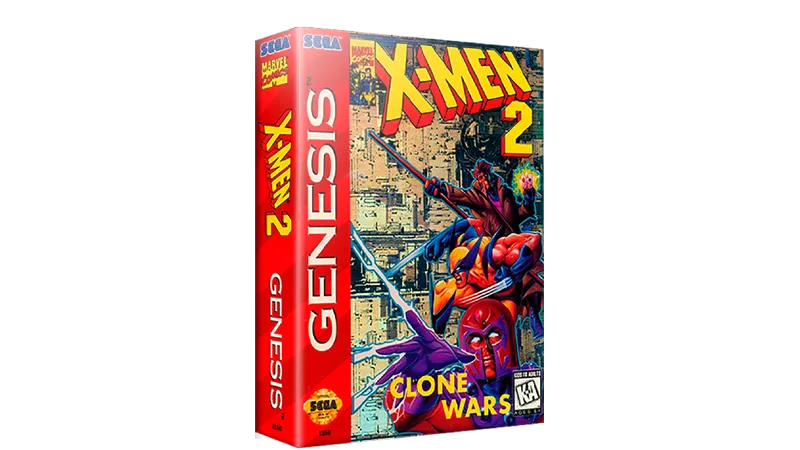


X-Men 2: Clone Wars is a masterclass in how to handle a superhero license, famously dropping players directly into a snowy Siberian landscape before the Sega logo even finishes fading. This "cold open" sets a frantic tone that the rest of the game maintains, offering a choice of iconic mutants including Nightcrawler, Psylocke, and Wolverine, each with distinct traversal mechanics and combat styles. The animation is a significant step up from its predecessor, featuring large, fluid sprites and a combat system that feels weightier and more responsive, making the act of slicing through Phalanx clones immensely satisfying.
Technically, the title pushes the Mega Drive’s hardware to its limits, utilizing impressive parallax scrolling and a gritty, industrial aesthetic that perfectly captures the mid-90s comic book vibe. The soundtrack, composed by Kurt Harland of Information Society, utilizes the FM synth chip to create a dark, driving electronic score that differentiates itself from the more traditional orchestral sounds of the era. The level design is sprawling and often non-linear, encouraging players to swap characters at key intervals to utilize specific powers, such as Gambit’s ranged kinetic cards or Beast’s ceiling-climbing abilities, to uncover hidden health power-ups.
While the difficulty can be punishing—especially during the later boss encounters against the likes of Apocalypse and Deathbird—the inclusion of a playable Magneto acts as a fantastic mid-game reward that completely alters the gameplay dynamic. It remains a definitive 16-bit action-platformer that respects its source material while providing a genuine challenge for seasoned players. It is worth noting that during this peak period for the console, European players saw a wide variety of releases; for instance, the puzzle game Zoop arrived in the UK and Europe in 1995, though it famously never received a release in Japan for this specific hardware.