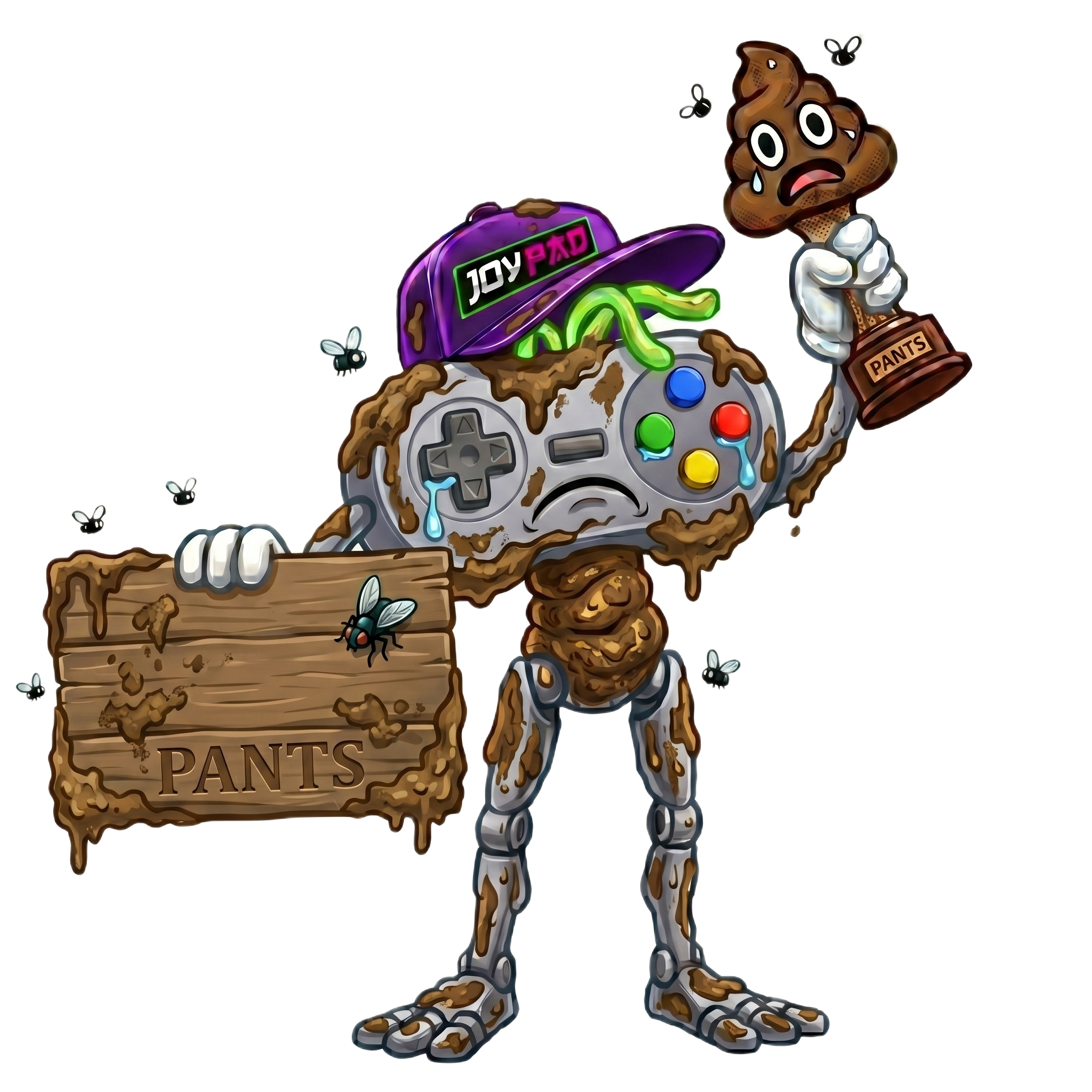
Unholy Night: The Darkness Hunter arrived as a late-stage curiosity, developed by a team of former SNK veterans who sought to push the Super Nintendo to its limits long after its commercial lifespan ended. Boasting a massive 32-megabit cartridge, the game promised a dark, gothic fighting experience reminiscent of Darkstalkers or King of Fighters. While the pedigree of the developers generated significant hype among the retro community, the final product feels more like a technical proof-of-concept than a polished masterpiece, capturing the aesthetic of the 16-bit era without quite mastering the mechanical fluidity that made its predecessors legendary.
The gameplay features a standard six-button layout with a roster of six characters, including the vampire hunter Blaze and various supernatural entities. Mechanics center around a "Darkness" gauge that allows for powerful special moves and desperate turnarounds, though the actual combat feels surprisingly sluggish. Hits lack the tactile impact found in Capcom or SNK classics, and the AI often relies on frustratingly predictable patterns or frame-perfect counters. Despite the ambitious attempt to bring high-level fighting mechanics to the aging hardware, the lack of character variety and balancing issues prevent it from becoming a staple in competitive play.
Visually, the game is a mixed bag that showcases both the strengths and weaknesses of the SNES hardware. The character sprites are large and detailed, featuring an art style that leans heavily into the 90s anime aesthetic, but the animation frames are sparse, leading to a choppy visual flow during fast-paced exchanges. The backgrounds are atmospheric but often feel static, failing to utilize the console's Mode 7 or parallax capabilities to their full potential. Ultimately, it serves as a fascinating artifact of the aftermarket development scene, proving that while the hardware can still produce new experiences, it requires more than just high-capacity cartridges to replicate the magic of the golden age.