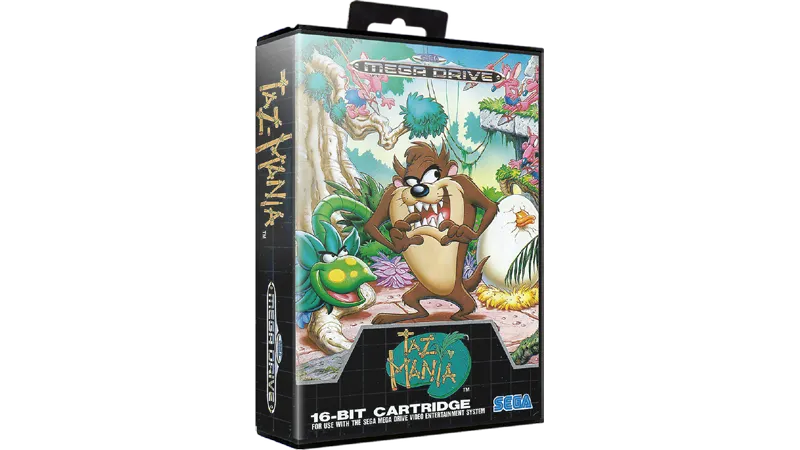


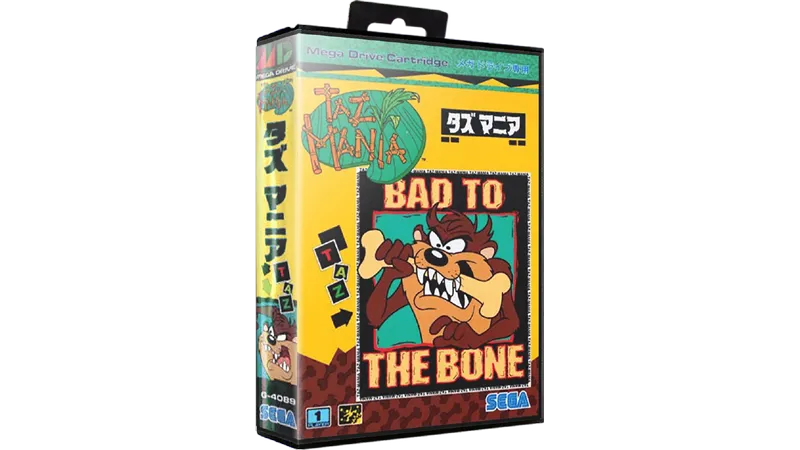

Taz-Mania on the Mega Drive remains a quintessential example of how Sega handled licensed properties during the 16-bit golden age. Eschewing the complex narratives of its peers, the game leans heavily into the chaotic energy of the Looney Tunes character, presenting a visual style that mirrors the fluid, expressive animation of the animated series. The sprites are large and expressive, and the environments—ranging from the dusty Outback to surreal factory settings—are saturated with the vibrant color palette that defined the early 90s Sega aesthetic.
Gameplay centers on Taz’s iconic spin maneuver, which serves as both his primary weapon and a core movement mechanic. While the spinning provides a satisfying sense of momentum, it also introduces a layer of slippery physics that can make precision platforming a genuine test of one's patience. The level design often demands verticality and item collection, requiring players to gulp down health-restoring items while avoiding bombs disguised as snacks. It is a mechanically straightforward experience that prioritizes arcade-style fun over technical depth, though some late-game sections suffer from frustrating hit detection and sudden spikes in difficulty.
Despite these quirks, Taz-Mania stands as a charming relic of an era when licensed titles were often high-quality productions. It captures the frantic, destructive spirit of its protagonist with a soundtrack that matches the zany on-screen action perfectly. For collectors, it serves as a staple of any Mega Drive library, offering a decent challenge and production values that hold up surprisingly well today. It may not reinvent the platforming genre, but it executes the Looney Tunes license with enough panache to remain a beloved, if slightly unpolished, 16-bit classic.