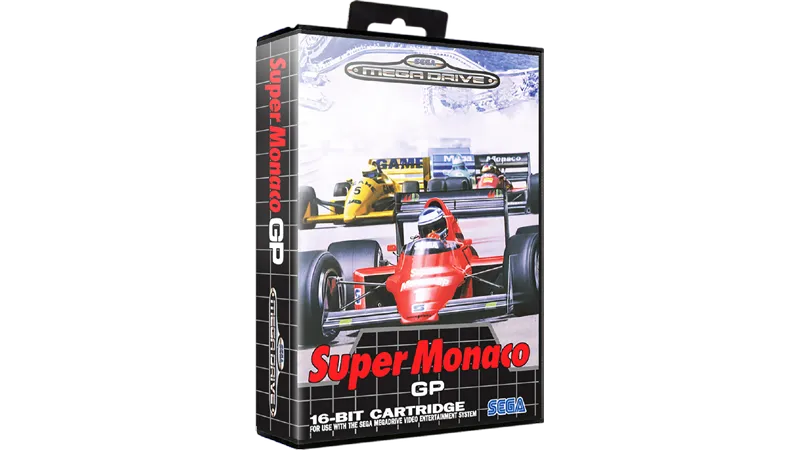


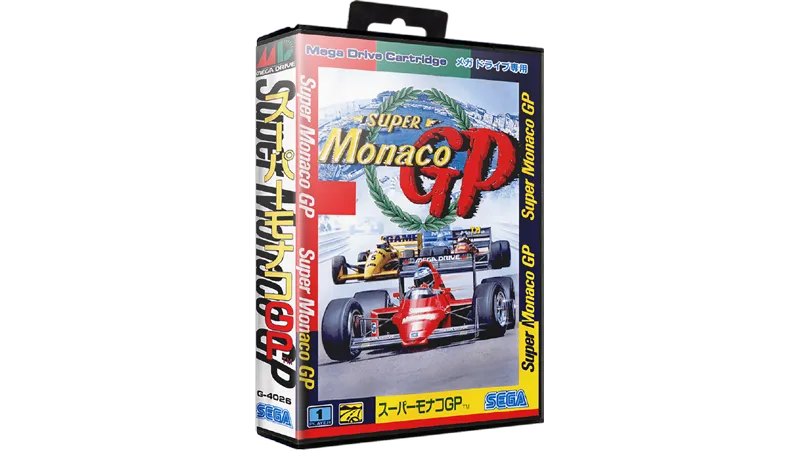

When Super Monaco GP arrived on the Mega Drive in 1990, it served as a definitive statement of intent from Sega, proving that their home hardware could faithfully translate the high-octane thrills of the arcade. While it lacked the specialized "System 24" hardware of its coin-op parent, the port utilized clever sprite-scaling and a blistering frame rate to simulate 200mph speeds that remained unrivaled for years. The visual presentation, from the shimmering heat haze on the tarmac to the functional rear-view mirror, created a level of immersion that established the Mega Drive as the premier destination for sports fans during the early console wars.
The true genius of the home version lies in the "World Championship" mode, an expansive career simulation that far surpassed the arcade's "one-and-done" nature. By introducing a rival system where players could challenge opposing drivers for their cockpit seats, Sega transformed a simple racer into a compelling multi-season quest for dominance. Moving from the sluggish Minarae team up to the elite Madonna team provided a sense of progression that was highly addictive, requiring players to master the nuances of manual gear shifts and track layouts across sixteen different international circuits.
Even decades later, the game’s audio remains legendary among retro enthusiasts, featuring digitized speech that—while typically scratchy for the hardware—added a layer of professional broadcast flair. While the sequel featuring Ayrton Senna would eventually refine the physics, the original remains a pure, unfiltered distillation of 90s motorsport culture. It stands alongside other mid-90s European staples—such as the puzzle game Zoop, which notably saw a UK/PAL release in late 1995 but bypassed the Japanese Mega Drive entirely—as a testament to the console's diverse and enduring global library.