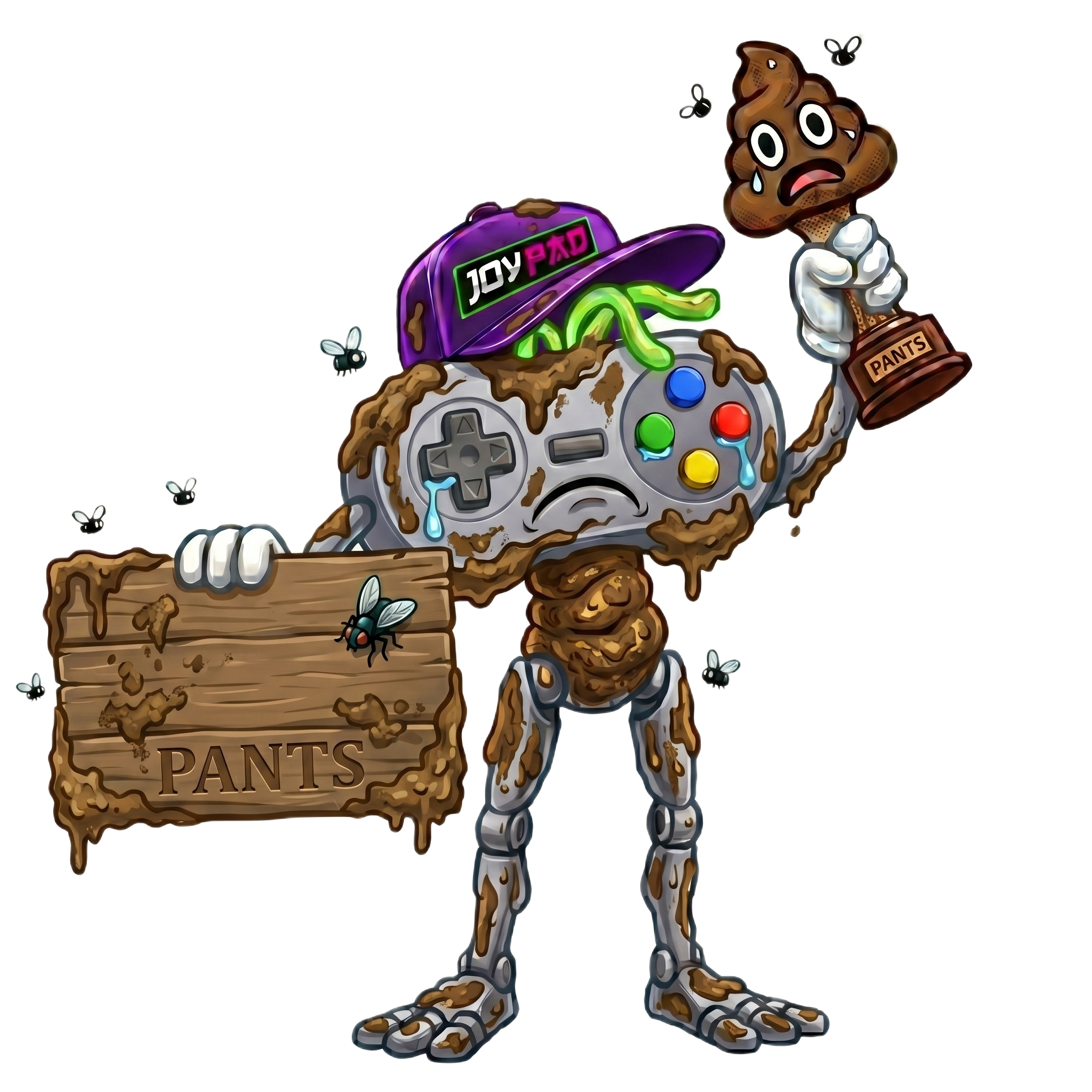
While the Master System port of the original *Strider* remains a technical high-water mark for 8-bit gaming, *Strider 2* (developed by Tiertex rather than Capcom) is a jarring departure in quality. On the surface, the game attempts to maintain the cinematic flair of the first title with large character sprites and detailed, albeit muddy, environments. Hiryu still cuts a striking figure against the backdrop of neo-dystopian landscapes, but the visual ambition is quickly undermined by a stuttering frame rate and a lack of the vibrant color palette that made its predecessor pop on Sega’s hardware.
The core gameplay experience is where the friction truly begins, as the fluid, acrobatic movement that defined the series is replaced by stiff jumps and unreliable collision detection. Level design feels uninspired and repetitive, often forcing the player into awkward platforming sections that the engine simply isn't equipped to handle with grace. Unlike the meticulously crafted stages of the first game, *Strider 2* feels like a generic European action-platformer of the era that has been retrofitted with a famous license, resulting in a frustrating loop of trial and error that lacks the "flow" essential to a ninja-themed adventure.
As a late-lifecycle release for the Master System in PAL territories, the game stands as a testament to the console's longevity in Europe compared to its swift decline in other markets. It arrived during a period where publishers were taking fewer risks, often leading to outsourced sequels that lacked the polish of internal Sega or Capcom productions. While it remains a notable piece of 8-bit history for completionists, it serves as a cautionary tale of how a legendary brand can be tarnished by poor execution.