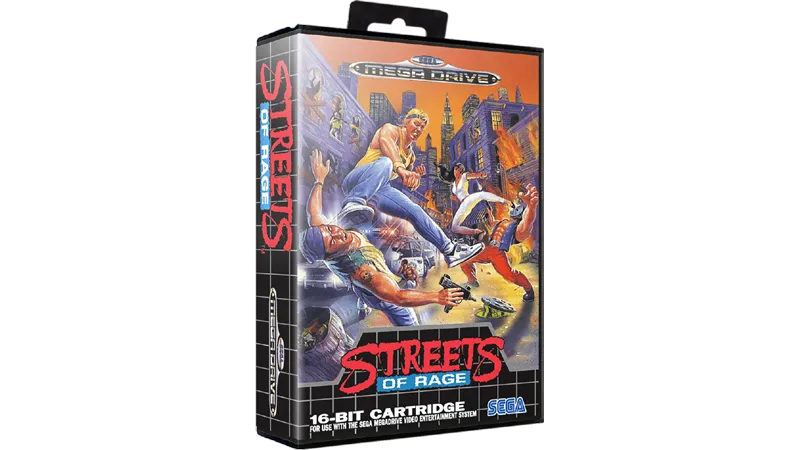
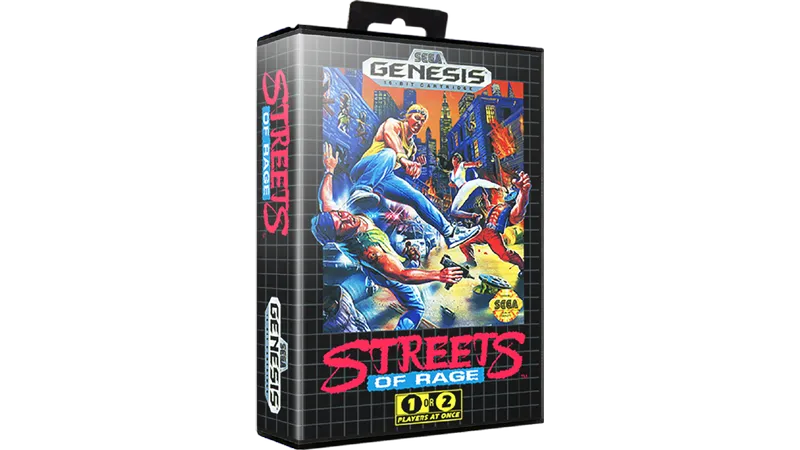
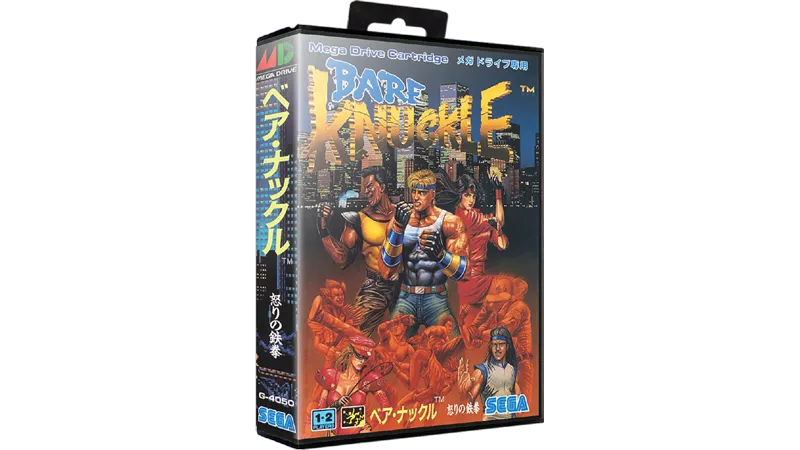



When Sega needed a heavy hitter to counter Capcom’s arcade dominance, they delivered Bare Knuckle: Ikari no Tekken—known globally as Streets of Rage. Released in 1991, this urban brawler ditched the high-fantasy tropes of Golden Axe for a gritty, neon-soaked vision of a city pushed to the brink by a mysterious Syndicate. Players step into the shoes of three ex-cops—Axel Stone, Blaze Fielding, and Adam Hunter—engaging in a relentless crusade against Mr. X’s army. While the hardware lacked the massive sprites of the CPS-1 arcade boards, the fluid animation and punchy combat mechanics ensured the Mega Drive had a home-grown masterpiece that felt every bit as professional and visceral as a coin-op title.
The game is arguably most famous for its revolutionary soundtrack, composed by Yuzo Koshiro. Drawing heavy influence from the burgeoning club scenes of Tokyo and London, the score utilized the Mega Drive’s FM synthesis chip to produce house and techno rhythms that were years ahead of their time. This auditory excellence was paired with a unique "special" mechanic where players could call in a backup police car to clear the screen with an incendiary volley of explosives. It was this synergy of style and substance that allowed it to stand tall during the peak of the 16-bit console wars, providing a mature alternative to the family-friendly offerings found elsewhere.
In retrospect, Streets of Rage represents the golden era of Sega’s internal development, where creative risks consistently paid off. The Japanese version remains particularly coveted for its iconic cover art and original title, serving as the foundation for one of the most respected trilogies in gaming history.