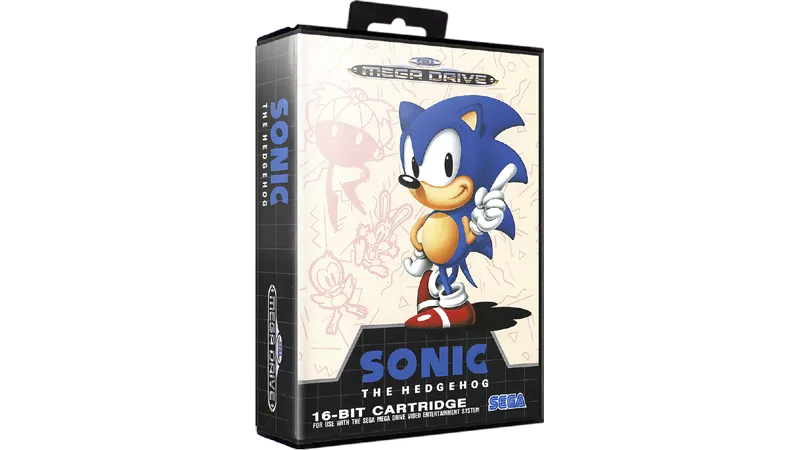


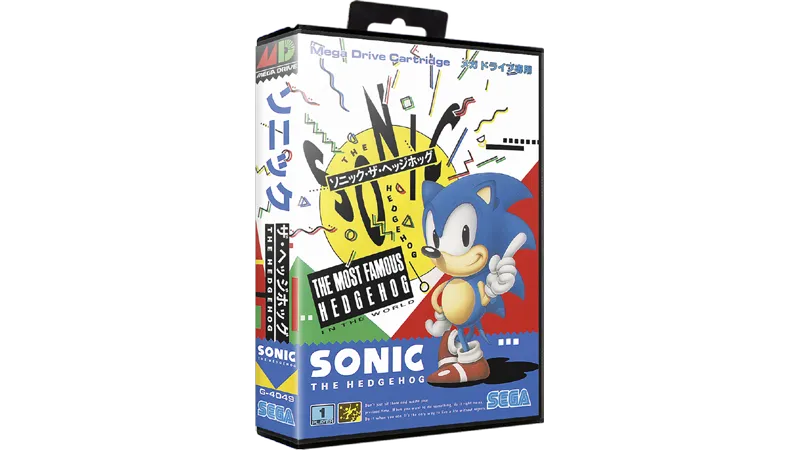

Released in 1991, Sonic the Hedgehog didn't just provide Sega with a mascot; it recalibrated the entire industry's expectations for platforming speed and "cool." Moving away from the methodical pace of contemporary 8-bit titles, Sonic utilized the Mega Drive’s Motorola 68000 processor to deliver fluid, high-velocity gameplay that made the "Blast Processing" marketing slogan feel like a tangible reality. The title's vibrant aesthetics and rebellious protagonist perfectly captured the early 90s zeitgeist, effectively ending Nintendo's total dominance of the home console market.
The core loop revolves around momentum-based physics, where the player must master hills, loops, and springs to maintain top speed while collecting rings that serve as both a score multiplier and a vital life-line. Each zone, from the iconic Green Hill to the industrial intensity of Scrap Brain, offers a distinct visual and mechanical identity that forces players to balance raw speed with precise platforming. While the later levels lean more heavily into traditional hazards, the revolutionary rotating special stages remain a psychedelic technical marvel of 16-bit engineering.
Beyond the technical wizardry of its scrolling backgrounds and sprite work, Masato Nakamura’s infectious pop-infused soundtrack cemented the game’s legendary status. Sonic remains a masterclass in game design, proving that a simple one-button control scheme could offer surprising depth when paired with sophisticated level architecture. It stands as the quintessential Mega Drive experience, a title that remains as instantly playable and visually striking today as it was over three decades ago.