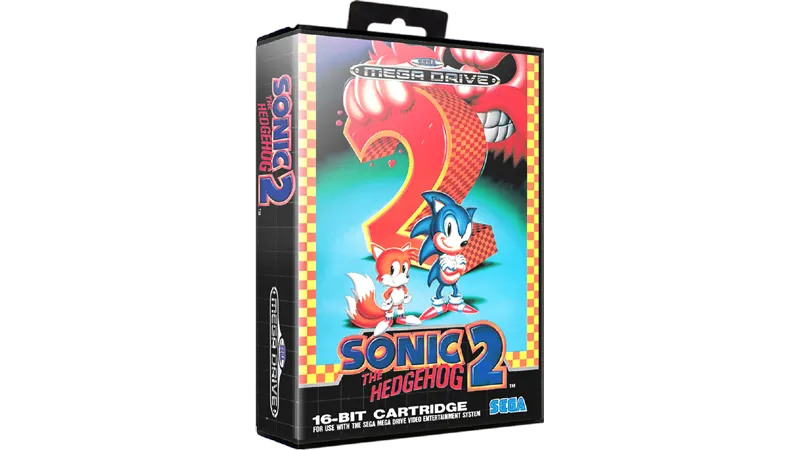


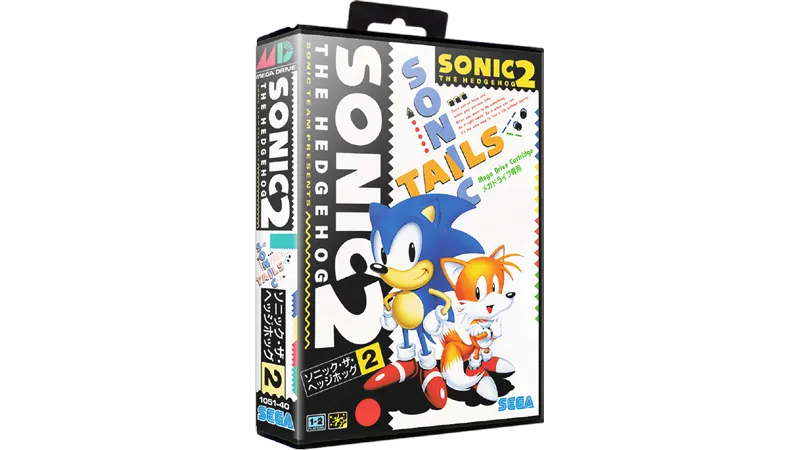

Sonic the Hedgehog 2 is the quintessential example of a sequel done right, expanding on every facet of the original while introducing mechanics that would define the franchise for decades. Developed by the Sega Technical Institute in California, this title introduced the world to Miles "Tails" Prower and the indispensable Spin Dash maneuver, which fundamentally changed the pacing of platforming by allowing Sonic to gain instant momentum. The level design shifts seamlessly from the high-speed loops of Emerald Hill to the vertical complexity of Chemical Plant, showcasing a masterclass in momentum-based gameplay that its 16-bit contemporaries simply could not match.
Technically, the game pushed the Mega Drive to its absolute limits, particularly with the ambitious pseudo-3D special stages and the split-screen multiplayer mode. While the two-player mode suffered from some noticeable sprite flickering and vertical compression, the single-player experience remained buttery smooth, bolstered by "Blast Processing" and Masato Nakamura’s iconic, pop-infused soundtrack. The sense of scale was significantly increased from its predecessor, offering eleven distinct zones compared to the first game's six, ensuring that the adventure felt like a grand global journey rather than a localized skirmish against Dr. Robotnik.
The legacy of Sonic 2 is cemented by its flawless execution of the "easy to learn, hard to master" philosophy. The addition of the Seven Chaos Emeralds and the debut of Super Sonic added a layer of replayability and power fantasy that was revolutionary for 1992, rewarding players who mastered the game’s physics. It stands as a vibrant, kinetic testament to Sega’s peak creative period, effectively winning the console wars of the early nineties and proving that the Blue Blur was more than just a mascot; he was a cultural phenomenon.