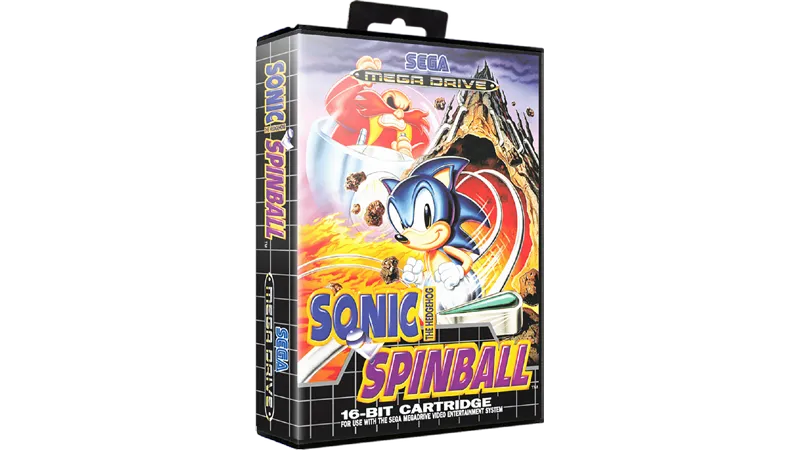


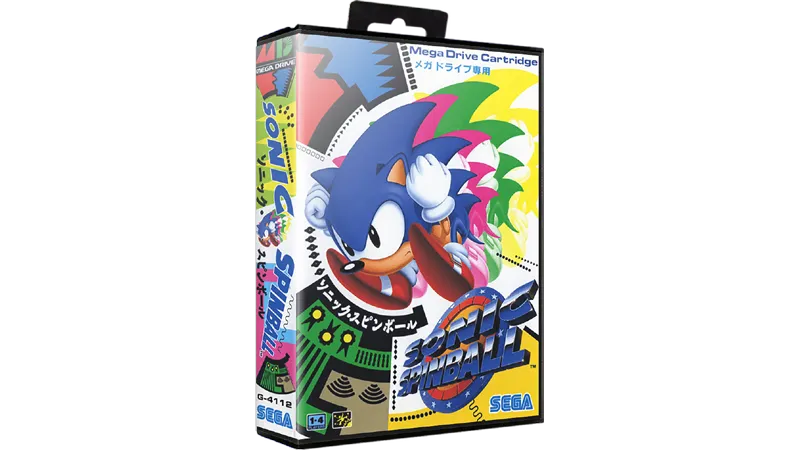

Sonic Spinball represents a fascinating pivot point in Sega’s history, developed by the Sega Technical Institute in California to bridge the gap during the 1993 holiday season. Unlike the mainline high-speed platformers, this title repurposed the blue hedgehog into a literal pinball, navigating four sprawling, multi-tiered tables themed after Dr. Robotnik’s industrial fortresses. While the concept originated from the "Casino Night" zones of previous entries, Spinball expanded the scope into a full-blown adventure, complete with boss fights and hidden Chaos Emeralds that must be collected to progress through the vertical environments.
The gameplay experience is defined by a unique, albeit divisive, physics engine that prioritizes manual control over the momentum-based logic of traditional pinball machines. Players can influence Sonic’s trajectory mid-air, a necessary mechanic given the intricate platforming puzzles required to unlock new areas of the map. However, this "floatiness" often clashes with the precision needed for tight shots, leading to moments of frustration when gravity doesn't behave as expected. The aesthetic is notably grittier than its predecessors, featuring a dark, industrial art style and a crunchy, bass-heavy FM synth soundtrack that remains one of the most distinctive audio profiles on the Mega Drive.
Despite its incredibly rushed development cycle, the game manages to pack in a surprising amount of variety through its bonus stages and environmental hazards. Moving from the murky Toxic Caves to the mechanical intensity of the Showdown, the difficulty curve is steep and unforgiving, often punishing a single missed flip with a plummet back to the start of a section. It stands as a testament to Sega's willingness to experiment with its mascot during the 16-bit era, and while it lacks the legendary polish of the mainline trilogy, it offers a challenging, atmospheric alternative for those who appreciate the marriage of arcade mechanics and platforming.