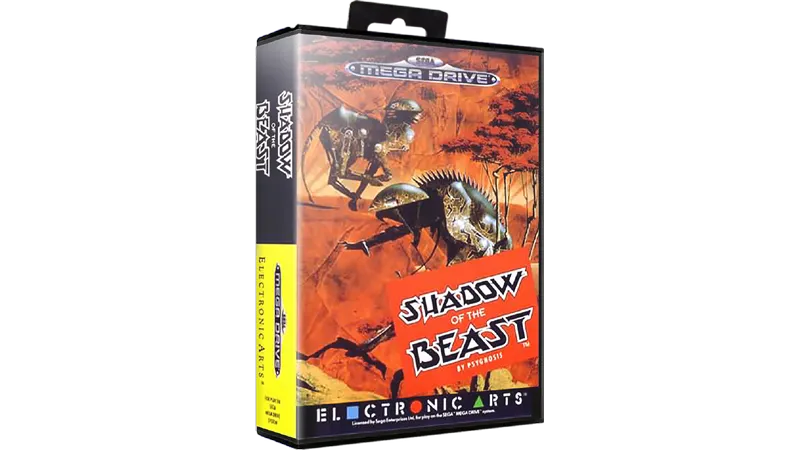

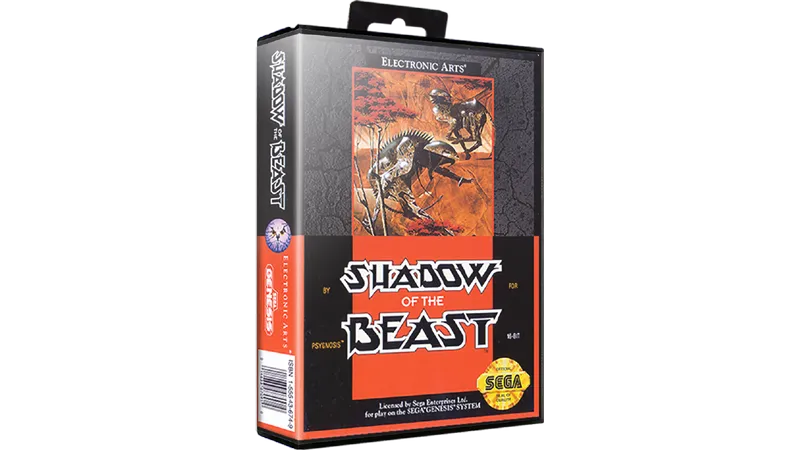


Shadow of the Beast arrived on the Mega Drive as a bold attempt to replicate the technical sorcery of the Commodore Amiga original. Developed by WJS Design and published by Psygnosis, it remains a striking visual showcase for the 16-bit hardware, utilizing multiple layers of parallax scrolling and a hauntingly surreal aesthetic inspired by the art of Roger Dean. The atmosphere is thick and oppressive, perfectly complemented by David Whittaker’s iconic, otherworldly score, which translates with surprising grit to the Yamaha YM2612 sound chip.
Beneath its beautiful exterior, however, lies a side-scrolling action game of punishing, almost clinical difficulty. Players take control of Aarbron, a mutated creature seeking revenge, but the journey is fraught with traps and enemies that require frame-perfect reactions and total memorization. Unlike its platforming contemporaries, there is very little room for error; one mistimed jump or a late punch often results in a swift death. While the Mega Drive version features slightly faster gameplay and a tighter view window than the computer original, the core experience remains a polarizing test of patience.
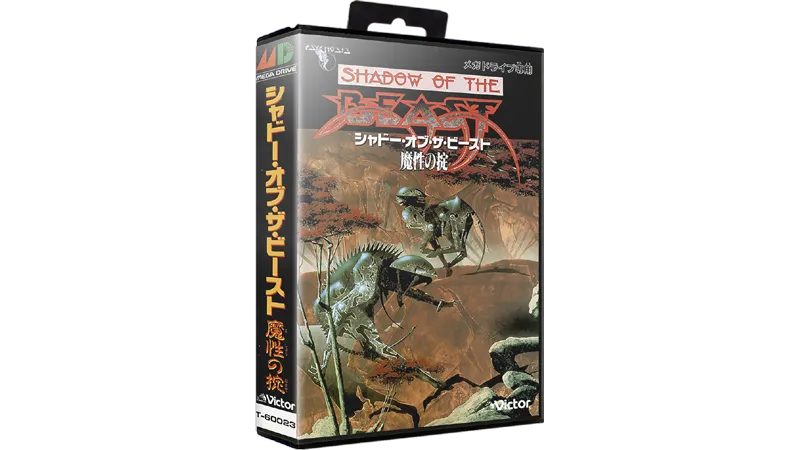
The Japanese release, titled *Mashou no Okite*, is particularly noteworthy for collectors, featuring unique cover art and subtle gameplay tweaks that distinguish it from the Western Genesis and PAL versions. While the technical ambition of the port is undeniable—especially in how it handles the massive boss sprites and fluid scrolling—the actual "fun" factor is frequently buried under its archaic design philosophy. It remains a fascinating historical curiosity that proved the Mega Drive could match the high-end computer visuals of the era, even if it couldn't quite fix the frustrating mechanics of the source material.