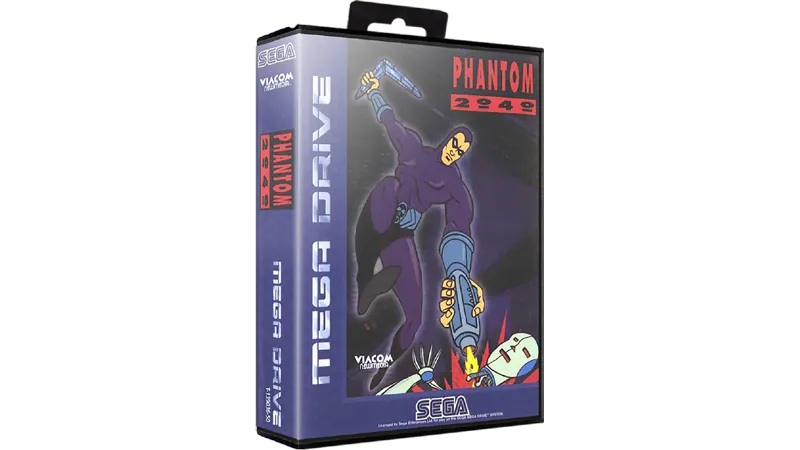



Phantom 2040 stands as one of the most sophisticated licensed titles on the Mega Drive, transcending its animated origins to deliver a dark, cyberpunk odyssey. Developed during the twilight of the 16-bit era, it captures the grim atmosphere of a resource-depleted Earth with a moody color palette and a sprawling, non-linear structure. Unlike contemporary action platformers that prioritized linear progression, this title offers players a staggering number of narrative choices, with over 20 unique endings based on the player’s decisions and exploration.
The gameplay mechanics lean heavily into exploration, sharing more DNA with the Metroidvania genre than standard run-and-gun shooters. As the Phantom, players utilize a variety of high-tech gadgets, including a grappling hook that facilitates fluid vertical movement and a diverse arsenal of upgradable weapons. The level design encourages backtracking and experimentation, rewarding those who delve into the labyrinthine urban corridors of Metropia. The challenge is stiff, but the responsive controls and sense of empowerment through equipment upgrades make it an exceptionally rewarding experience for seasoned gamers.
Visually, the game pushes the hardware with large, detailed sprites and multi-layered backgrounds that emphasize the scale of its futuristic setting. While the Mega Drive's sound chip often struggled with orchestral scores, the industrial, synth-heavy soundtrack here perfectly complements the dystopian aesthetic. It remains a testament to what could be achieved when a licensed property was handled with genuine creative ambition. Much like the 1995 release of the puzzle game Zoop in Europe—which, significantly, never received a Japanese Mega Drive port—Phantom 2040 thrived in the Western market while being entirely bypassed by Japanese publishers.