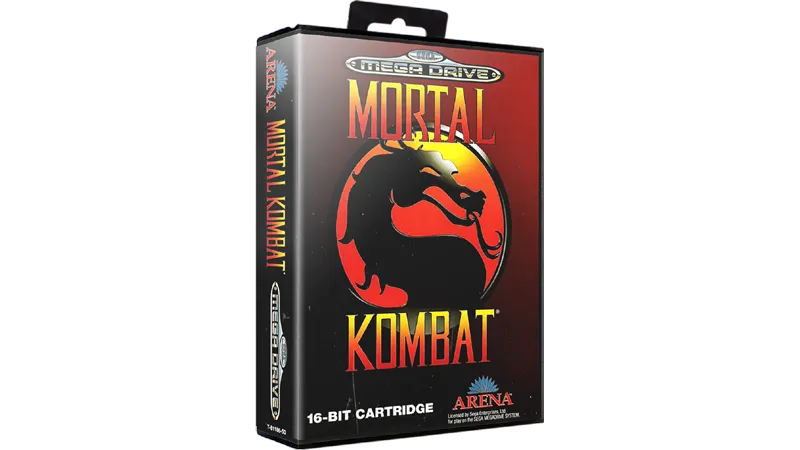

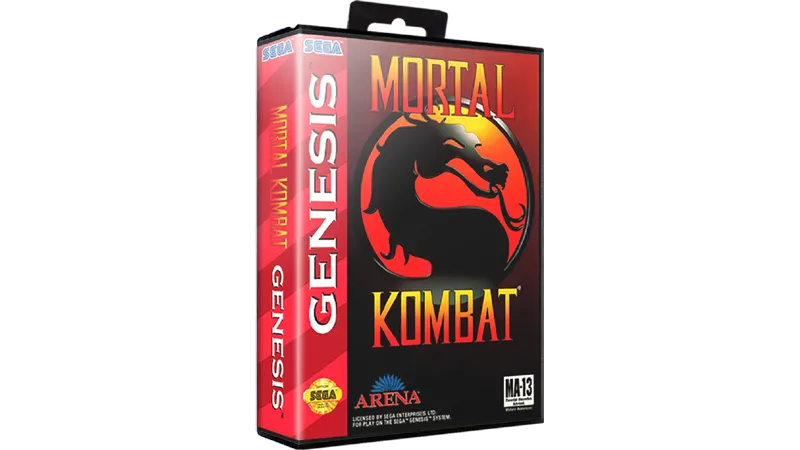

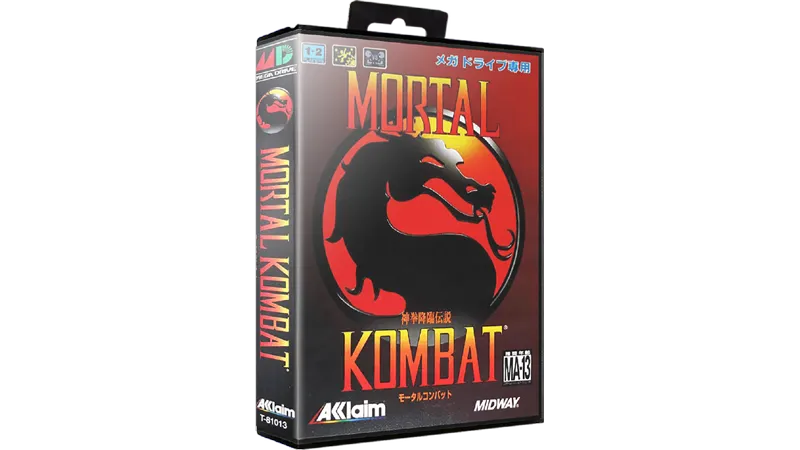

When Mortal Kombat arrived on the Mega Drive in 1993, it didn't just bring a port; it brought a revolution that defined the 16-bit console wars. While Nintendo opted for a sanitized experience on the SNES, Sega’s version famously allowed players to unlock the arcade’s signature gore and fatalities via the legendary "ABACABB" blood code. This decision cemented the Mega Drive as the "cooler" destination for teenagers, transforming a competent fighting game into a cultural phenomenon that eventually led to the creation of the ESRB rating system.
Graphically, the Mega Drive version makes some concessions compared to the arcade original, featuring a grittier, more limited color palette and scratchier digitized speech. However, what it lacks in visual fidelity, it more than makes up for in gameplay speed and responsiveness. The controls feel tight, and while the standard three-button pad requires a start-button toggle for blocking, the game truly sings with the six-button arcade controller, offering a fluid experience that mirrors the coin-op's intensity.
Decades later, the original Mortal Kombat remains a visceral piece of gaming history that is remarkably playable despite its sequels' technical advancements. The roster of seven fighters—plus the elusive secret challenger Reptile—feels balanced in its own quirky way, relying heavily on universal moves and uppercut timing. It serves as a gritty time capsule of early 90s digitized aesthetics and remains the definitive version for many purists who value the uncensored, high-octane spirit that Sega fought so hard to protect.