While the 16-bit title *Last Battle* is primarily synonymous with the Sega Genesis launch, its legacy is firmly rooted in the *Hokuto no Ken* franchise, which saw several prominent, albeit Japan-exclusive, entries on the Super Nintendo. *Hokuto no Ken 7: Seiken Retsuden* serves as the spiritual SNES successor to that lineage, pivoting away from the side-scrolling platforming of the earlier games in favor of a dedicated one-on-one fighting engine. This transition allowed for much larger, more detailed sprites that better captured the "burly man" aesthetic of the manga, utilizing the SNES’s superior color palette to render the desolate, post-apocalyptic wasteland with far more grit than its predecessor.
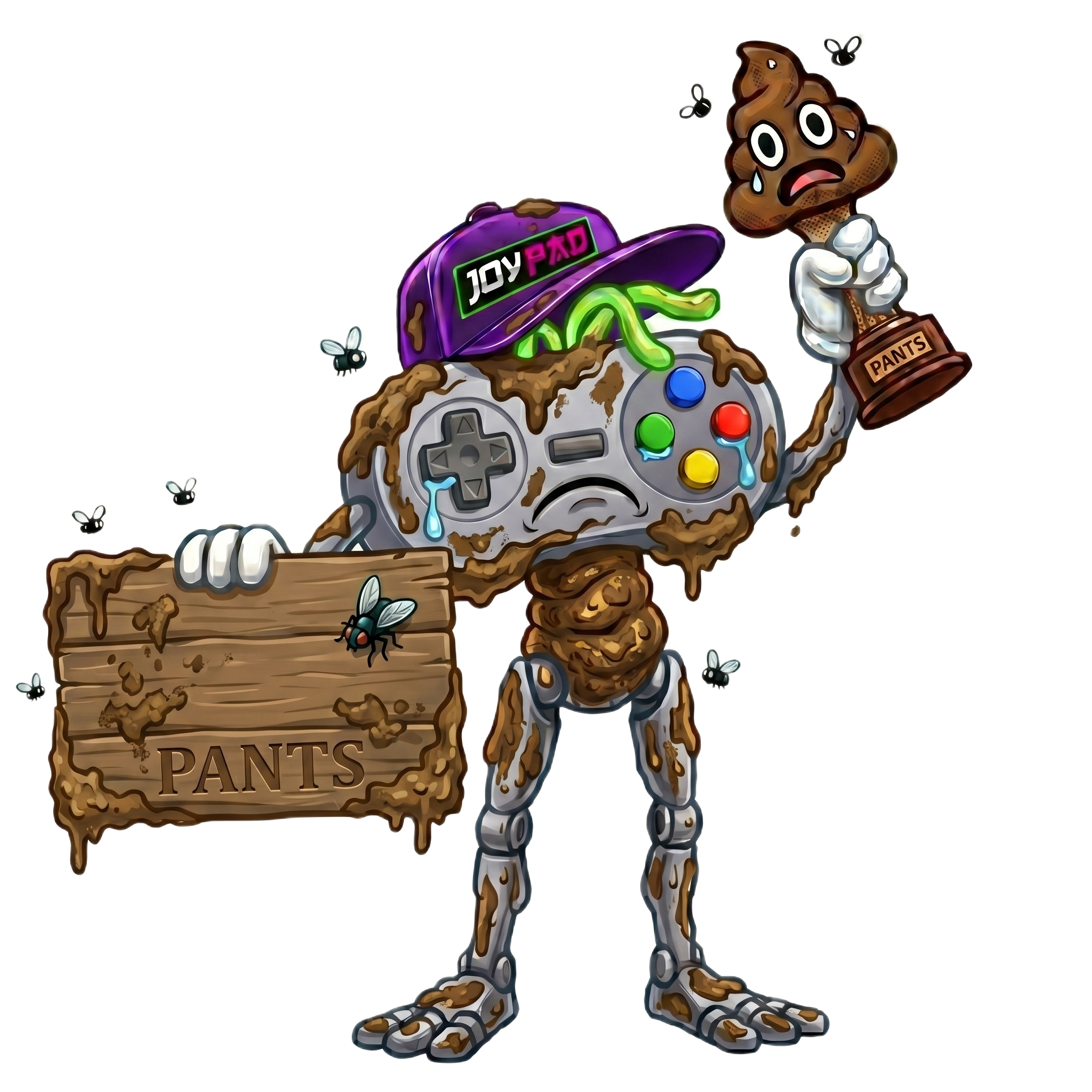
Graphically, the game is an impressive showcase of the hardware's ability to handle large character models, yet the gameplay remains notoriously divisive. The controls are characterized by a distinct stiffness, lacking the fluid animation and frame-perfect responsiveness found in contemporary giants like *Street Fighter II*. While the inclusion of iconic pressure-point finishers provides significant fan service, the combat loop often feels sluggish, turning matches into wars of attrition rather than tests of skill. For those who grew up with the heavily censored Western release of *Last Battle*, the SNES entries offer a fascinating, albeit clunky, look at the unedited brutality of Kenshiro’s world.
The regional disparity of the 16-bit era remains one of its most intriguing aspects, as many high-profile licenses never made the jump across the Pacific or Atlantic. Interestingly, localization trends were not always predictable; for example, the puzzle game *Zoop* was released in the UK and Europe in 1995, yet it never saw a release in Japan for this console. Similarly, while Genesis owners got a watered-down version of the *Fist of the North Star* story, SNES owners were left to rely on the import market to experience the series' evolution. As a result, the SNES "Last Battle" titles remain a niche curiosity, representing a "what if" scenario for Western Nintendo fans of the early 90s.