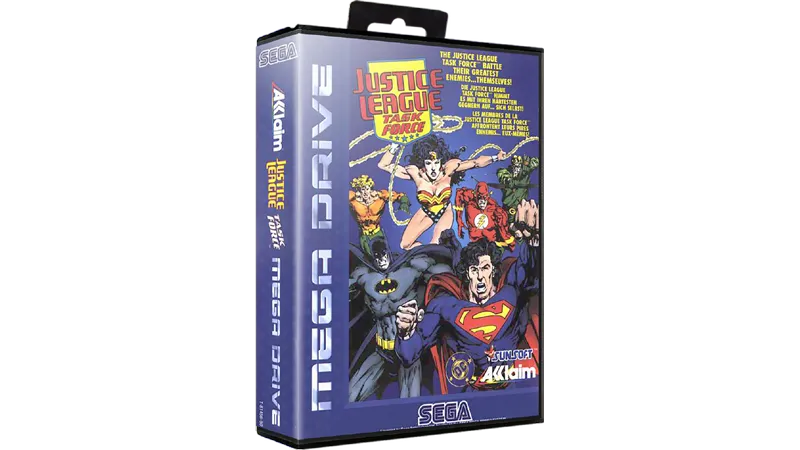


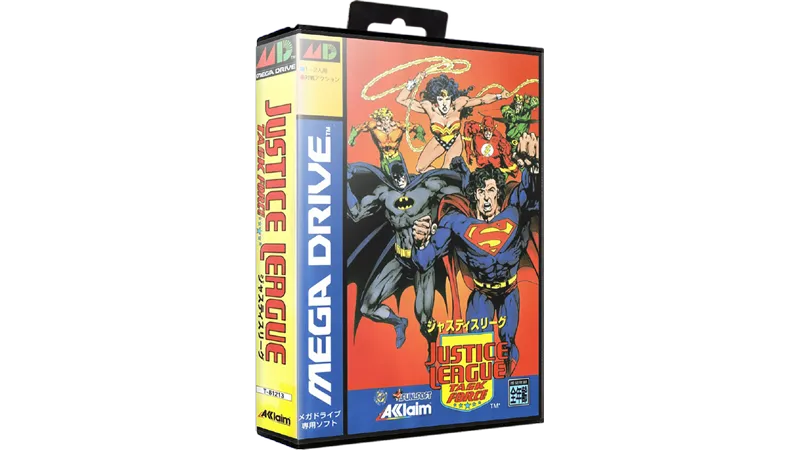

Justice League Task Force arrived in 1995, a time when the Mega Drive was fighting to remain relevant against the looming shadow of the 32-bit era. Developed by Sunsoft, the game attempted to capitalize on the massive success of the fighting game genre by placing DC’s most iconic heroes into a one-on-one competitive format. While the prospect of Batman squaring off against Superman was tantalizing for comic book fans, the execution falls significantly short of the high standards set by contemporary titles like Street Fighter II or Mortal Kombat. Unlike the SNES version, which featured involvement from Blizzard Entertainment, this Sega iteration feels rushed and technically inferior.
The gameplay is hampered by stiff controls and a frustrating lack of fluid combat mechanics. Each character, from the Flash to Wonder Woman, moves with a clunky weight that makes executing special moves more of a chore than a strategic choice. The hit detection is notably inconsistent, often leading to moments where attacks clearly connect visually but fail to register any damage. Furthermore, the AI is notoriously unbalanced, oscillating between complete inactivity and frame-perfect psychic counters that can drain a health bar in seconds. This lack of polish transforms what should have been an epic clash of titans into a repetitive and often irritating experience.
Visually, the game struggles with the Mega Drive’s limited color palette, resulting in muddy backgrounds and character sprites that lack the vibrancy of their comic book inspirations. While the 1995 release window saw some polished European titles like Zoop hitting the shelves, Task Force feels like a step backward in terms of presentation and sound design. The music is largely forgettable, failing to evoke the heroic atmosphere necessary for a Justice League title. Ultimately, while it holds some nostalgic value as a rare 16-bit DC fighter, it remains a "rental era" disappointment that failed to do justice to its legendary source material.