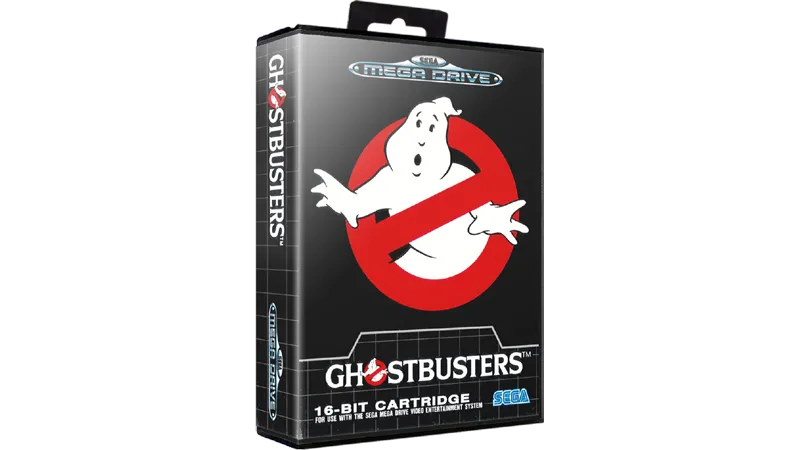


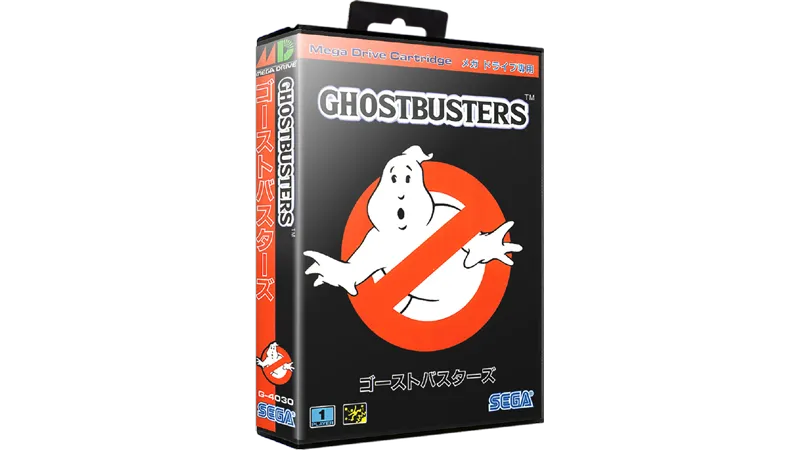

Released during the early prime of the Mega Drive, Sega’s take on Ghostbusters remains one of the most charming and technically proficient adaptations of the franchise. Eschewing the realistic proportions of the film’s cast, the game adopts a "super-deformed" or chibi art style that gives Venkman, Stantz, and Spengler a unique 16-bit personality. While it is a notable disappointment that Winston Zeddemore is absent from the roster, the remaining trio offers slightly different stats in terms of speed and health. The levels are beautifully rendered, utilizing the console's color palette to create moody, atmospheric environments ranging from a haunted apartment complex to a burning skyscraper, all while maintaining a frantic run-and-gun pace.
The gameplay loop is surprisingly deep for a 16-bit platformer, incorporating an economy system that allows players to upgrade their equipment between stages. After clearing "middle ghosts" and earning cash, you can visit a shop to purchase items like infrared goggles for dark rooms, various projectile spreads, and life-saving shields. This sense of progression makes the four initial open-choice cases feel rewarding, as you grow more powerful before tackling the final gauntlet. The boss encounters are a particular highlight, featuring massive sprites like the Stay Puft Marshmallow Man and a giant skeletal dragon, each requiring a mix of pattern recognition and proton pack precision to defeat and eventually trap.
Audio-wise, the Mega Drive’s Yamaha YM2612 sound chip is pushed to deliver a fantastic rendition of Ray Parker Jr.’s iconic theme, alongside some impressively clear—if slightly scratchy—digitized voice clips. The difficulty curve is well-tuned, offering a fair challenge on standard settings while providing a brutal "Nightmare" mode for veterans. Though it takes some creative liberties with the source material, the game captures the spirit of being a "paranormal investigator and eliminator" better than almost any other title of the era. It stands as a testament to a time when Sega handled licensed properties with genuine care, resulting in a polished, addictive experience that remains a high-water mark for the system.