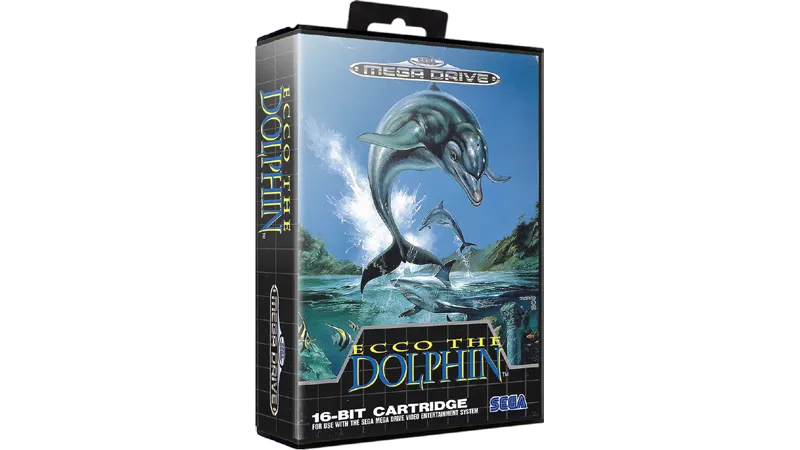


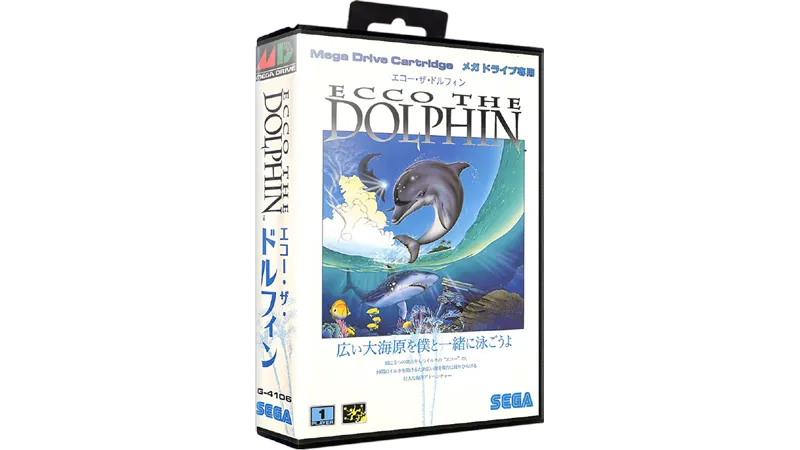

Ecco the Dolphin stands as one of the most audacious experiments of the 16-bit era, trading traditional platforming tropes for a fluid, momentum-based underwater odyssey. Developed by Novotrade, the game tasks players with navigating a lonely cetacean through labyrinthine caverns using a unique sonar mechanic that doubles as both a communication tool and a map-making device. While the controls initially feel graceful and serene, the experience is underscored by a punishing difficulty level that requires pixel-perfect navigation and constant management of the air meter, ensuring that the tranquil aesthetic never fully masks the underlying tension of survival.
Visually, the title pushed the Mega Drive to its limits, utilizing lush parallax scrolling and a vibrant color palette that perfectly captured the shimmering depths of the ocean. The atmosphere is further bolstered by a haunting, melancholic soundtrack that evokes a profound sense of isolation, making the player feel truly adrift in a vast, alien world. This atmospheric immersion was a landmark achievement for the console, proving that Sega’s hardware could deliver sophisticated, contemplative experiences that rivaled the more cartoonish offerings of its competitors.
What begins as a quest to rescue a pod of dolphins eventually spirals into a surrealist sci-fi nightmare, cementing Ecco’s legacy as a cult classic. The narrative's sudden pivot toward extraterrestrial threats and cosmic horror remains one of the most memorable tonal shifts in gaming history, challenging the player's expectations and rewarding perseverance with a truly bizarre conclusion. Despite its reputation for being cryptically difficult and occasionally frustrating, the game remains an essential piece of the Mega Drive library, offering a level of artistic ambition that few contemporary titles dared to match.