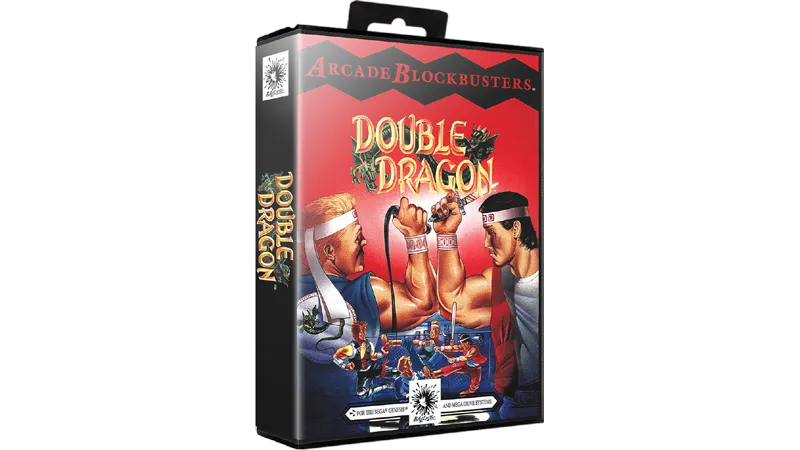



When Technos’ arcade classic finally punched its way onto the 16-bit Mega Drive, it arrived not via Sega, but through Accolade’s unlicensed Ballistic label. This version is a fascinating anomaly, striving for a pixel-perfect arcade accuracy that far outstrips the 8-bit Master System and NES iterations. While the color palette feels slightly muted compared to the coin-op, the character sprites are large, and the legendary opening scene—where Marian is abducted by the Black Warriors—remains intact and uncensored. It stands as a testament to the era’s "Wild West" publishing landscape, where third parties frequently skirted official licensing to bring massive arcade hits to Sega’s hungry user base.
Gameplay remains the core of the experience, offering the quintessential belt-scrolling brawler mechanics that defined a generation. Players take control of Billy and Jimmy Lee across four grueling stages, utilizing a repertoire of kicks, headbutts, and the notoriously overpowered elbow smash to clear the streets. While the controls are generally responsive, the collision detection is noticeably finicky compared to the arcade original, and the audio department suffers from some tinny, digitized voice samples and flat percussion. Despite these technical hiccups, the inclusion of the simultaneous two-player cooperative mode ensures the title retains its status as a foundational social gaming experience for the platform.
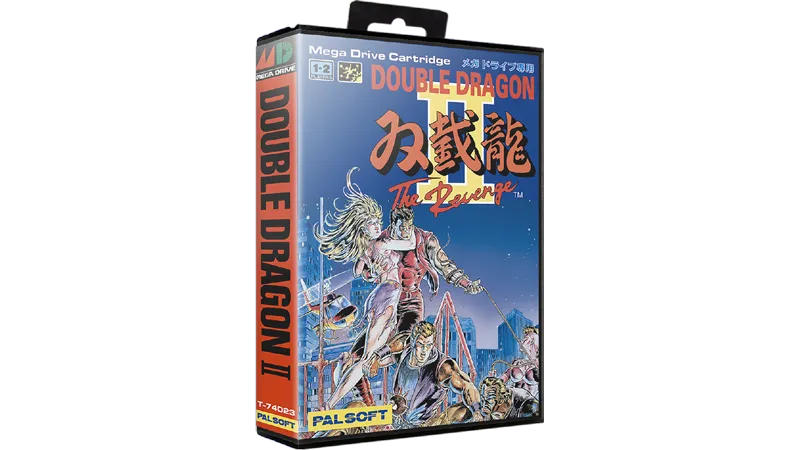
Looking back at the mid-90s Mega Drive library, the sheer diversity of regional releases highlights how fragmented the market could be. For instance, while the puzzle game *Zoop* eventually found its way to European and North American Mega Drive owners in 1995, it never saw a release on the console in Japan. *Double Dragon* on the Mega Drive represents a similar era of regional quirkiness, as this Accolade-developed port differs significantly from the version Sega later produced for the Japanese market. While it may not be the most polished brawler on the system when compared to *Streets of Rage*, its commitment to the arcade’s aesthetic makes it an essential, if unrefined, piece of gaming history.