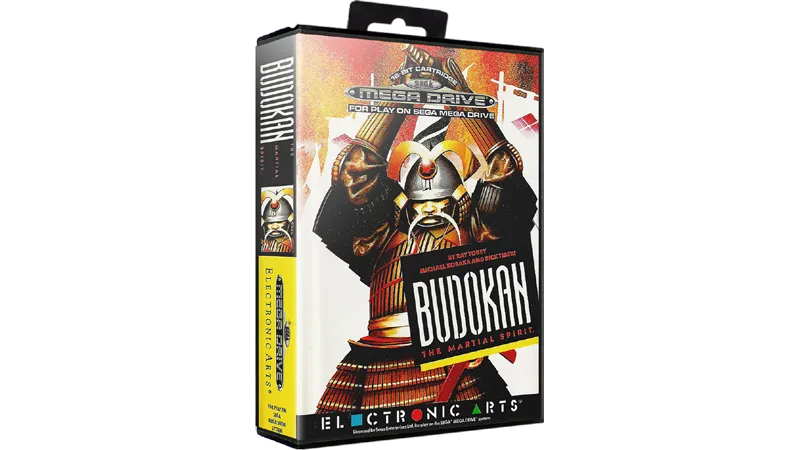

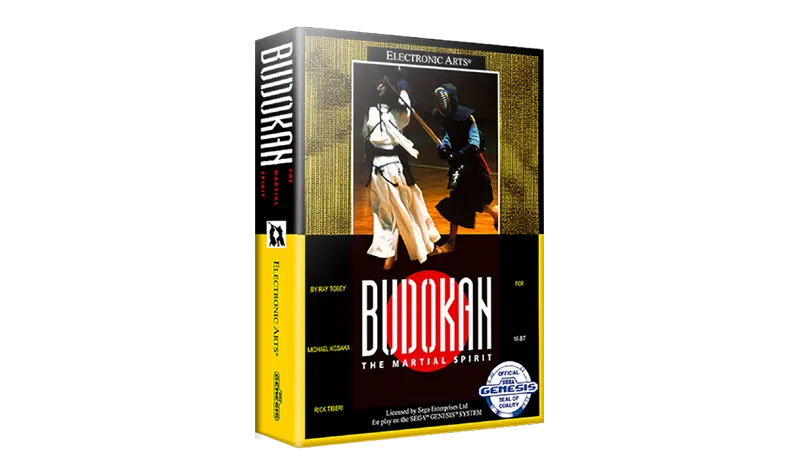


EA’s early days on the Mega Drive were defined by ambitious PC ports, and Budokan: The Martial Spirit stands as one of the most stoic examples of this era. Eschewing the frantic arcade pace of its contemporaries, the game attempts a sober, disciplined simulation of four distinct Japanese martial arts: Bo, Kendo, Nunchaku, and Karate. The presentation is clinical and atmospheric, reflecting the quiet focus of a traditional dojo, which sets a mature tone that was quite unique for console gaming in 1990.
Gameplay is a tactical affair centered around the management of "Ki" and stamina, where wild swinging leads to exhaustion and inevitable defeat. Each of the four disciplines demands different spatial awareness and strategy, forcing players to master specific hitboxes and frame timing. While the rotoscoped animation provides a fluid, lifelike quality to the combatants, it introduces a level of input latency that requires a predictive rather than reactive playstyle. This steep learning curve makes the tournament mode at the Nippon Budokan a grueling test of patience and pattern recognition.
Despite its technical merits and impressive visuals for the time, Budokan often feels more like a martial arts textbook than a vibrant video game. The lack of a traditional two-player versus mode in the main tournament is a significant missed opportunity, though the sparring sessions offer some longevity for competitive friends. It remains a fascinating relic of a time when Electronic Arts was willing to experiment with high-concept simulations, and while its stiff controls may deter modern fans of the genre, its dedication to the authentic "martial spirit" remains undeniable.