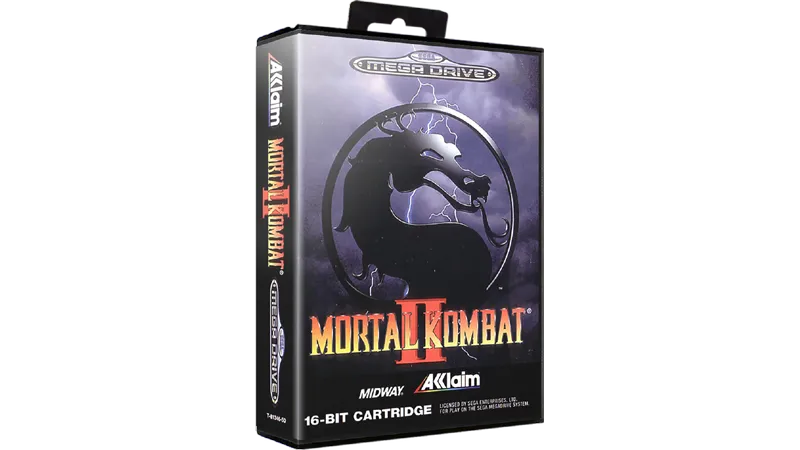

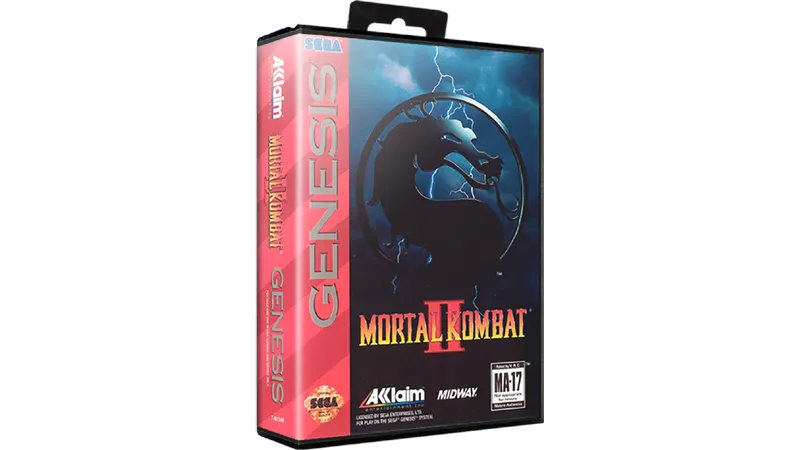

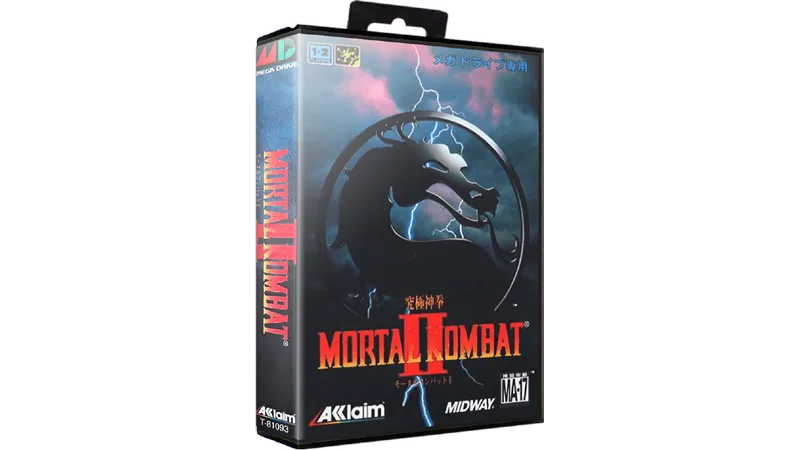

Mortal Kombat 2 on the Mega Drive represents a monumental leap over its predecessor, successfully capturing the dark, oppressive atmosphere of the arcade original despite the console's hardware limitations. While it lacks the vibrant color depth found on the Super Nintendo version, Probe Software compensated with blisteringly fast gameplay and a more comprehensive selection of digitized sound effects that actually outshine its rival in terms of grit. The roster expansion is handled beautifully, introducing iconic fighters like Baraka and Jax, while ensuring the controls feel tighter and more responsive than the somewhat floaty physics of the first home port.
The combat engine feels significantly refined, rewarding players who master the new combo potential and defensive maneuvers. Special moves are easier to buffer, and the inclusion of the 6-button controller is almost mandatory for the optimal experience, allowing for immediate access to high and low attacks without the clunky button-swapping of the standard three-button pad. The fatalities remain as gruesome as ever, supplemented by the tongue-in-cheek "Friendships" and "Babalities," which provide a much-needed sense of levity to the grim aesthetic. It is a masterclass in how to port a high-spec arcade title to 16-bit architecture by prioritizing gameplay momentum over raw visual fidelity.
Ultimately, this remains one of the definitive competitive titles on the Mega Drive, boasting a legacy that few fighters of the era can match. While we often look back at technical curiosities of the time—such as the puzzle game *Zoop*, which hit UK and European shelves in late 1995 but notably skipped a Japanese Mega Drive release—Mortal Kombat 2 was a global phenomenon that proved Sega’s machine could handle the arcade's most controversial hit. It is a loud, bloody, and incredibly fun brawler that serves as the high-water mark for the franchise on the system, holding its value and its playability decades after its initial launch.