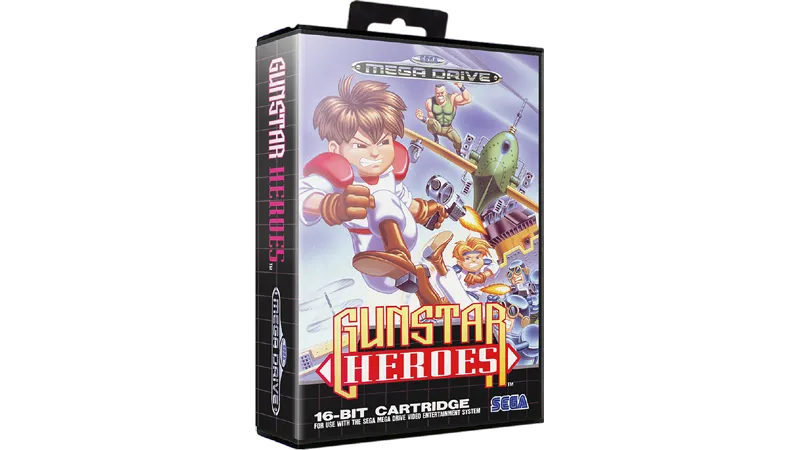



Gunstar Heroes remains the definitive masterclass in 16-bit run-and-gun action, representing the explosive debut of Treasure after the core team departed Konami. Unlike its contemporary rivals, it eschewed linear simplicity in favor of a revolutionary weapon-stacking system that allows players to combine two of four elemental shots into fourteen unique firing patterns. From the homing lightning streams to the devastating flamethrower, the tactical depth is matched only by the sheer intensity of the screen-filling explosions. The pacing is relentless, throwing players into iconic scenarios like the gravity-flipping minecart chase and the multifaceted boss encounter against Seven Force, ensuring that the adrenaline never dips from start to finish.
Technically, the game is a miracle of Mega Drive programming that seemingly defies the hardware's limitations without the need for additional chips. Treasure utilized sophisticated sprite-layering and multi-jointed limb movements to simulate rotation and scaling effects that were previously thought to be the exclusive domain of the Super Nintendo’s Mode 7. This visual wizardry is achieved while maintaining a blistering frame rate, even during chaotic two-player co-op sessions where the screen is saturated with projectiles and debris. It serves as the ultimate rebuttal to anyone who doubted the "Blast Processing" marketing of the era, pushing the Motorola 68000 processor to its absolute breaking point.
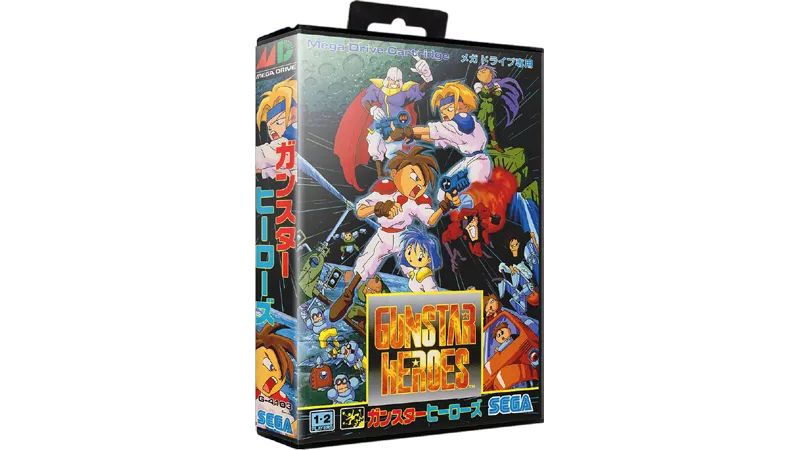
The legacy of Gunstar Heroes is cemented by its incredible personality and replayability, characterized by its vibrant color palette and quirky character designs that stand in stark contrast to the gritty, militaristic shooters of the early 90s. While some regional releases of the era suffered from bizarre distribution—much like the puzzle game Zoop, which saw a UK release in 1995 but skipped the Japanese Mega Drive entirely—Gunstar Heroes fortunately saw global acclaim, though the original Japanese pressing remains a holy grail for many. It is not merely a great "retro" game; it is a timeless piece of software design that remains as fluid and rewarding to play today as it was upon its release in 1993.